Showing posts with label Beethoven Symphony #9. Show all posts

Tuesday, March 3, 2015

TUESDAY, MARCH 3, 2015

QUOTE:
"Art is a kind of illness."
AUTHOR: Giacomo Puccini
MEANING OF THE QUOTE:
"A true artist is addicted to his art."


COMPOSER
IVES
SEE HOW
MUSIC AND LITERATURE
INTERCONNECT

Charles Ives came from New England

and often wrote his music about the

famous people and events

that came from there.

The Old North Bridge: Concord, Massachusetts

The four movements of the Concord Sonata

are titled "Emerson," "Hawthorne," "The Alcotts," 

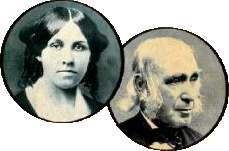
and "Thoreau" after four famous American authors

who lived from approximately 1840-1860.


Ives did not originally conceive the

Concord Sonata as a four-movement work for

solo piano but rather as four separate orchestral

works, part of a collection he had dubbed

"Men of Literature."

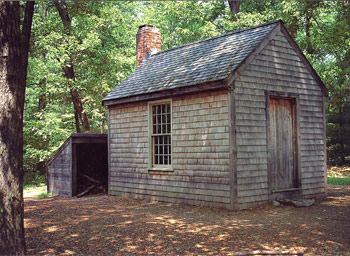
Emerson, Hawthorne, Thoreau,
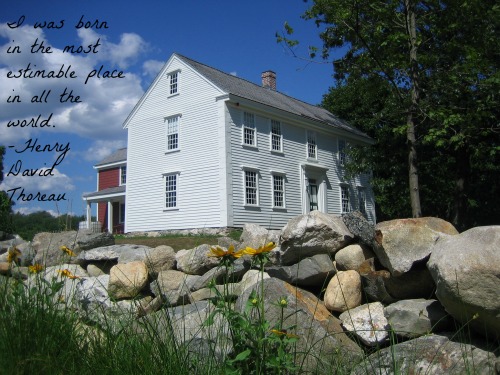
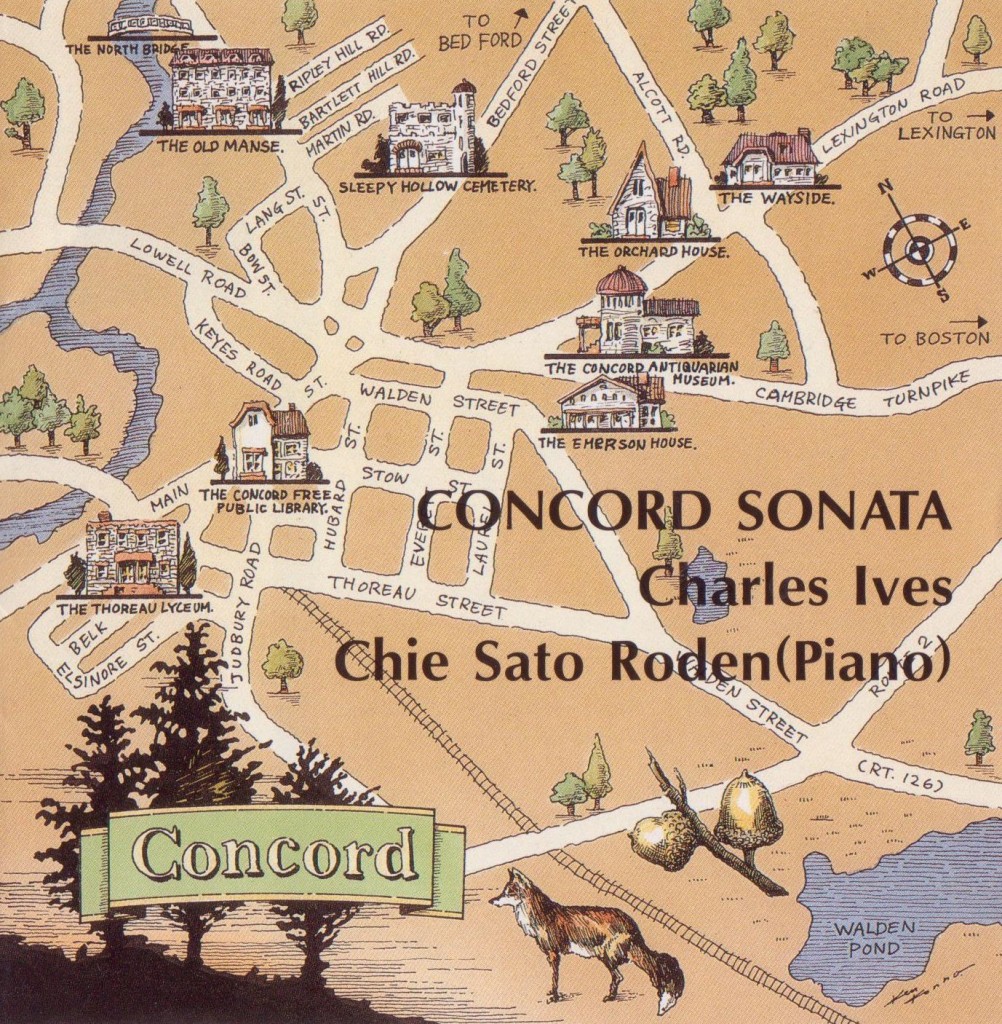
and the Alcotts all lived near each other in
Concord, Massachusetts and espoused
in their writings.
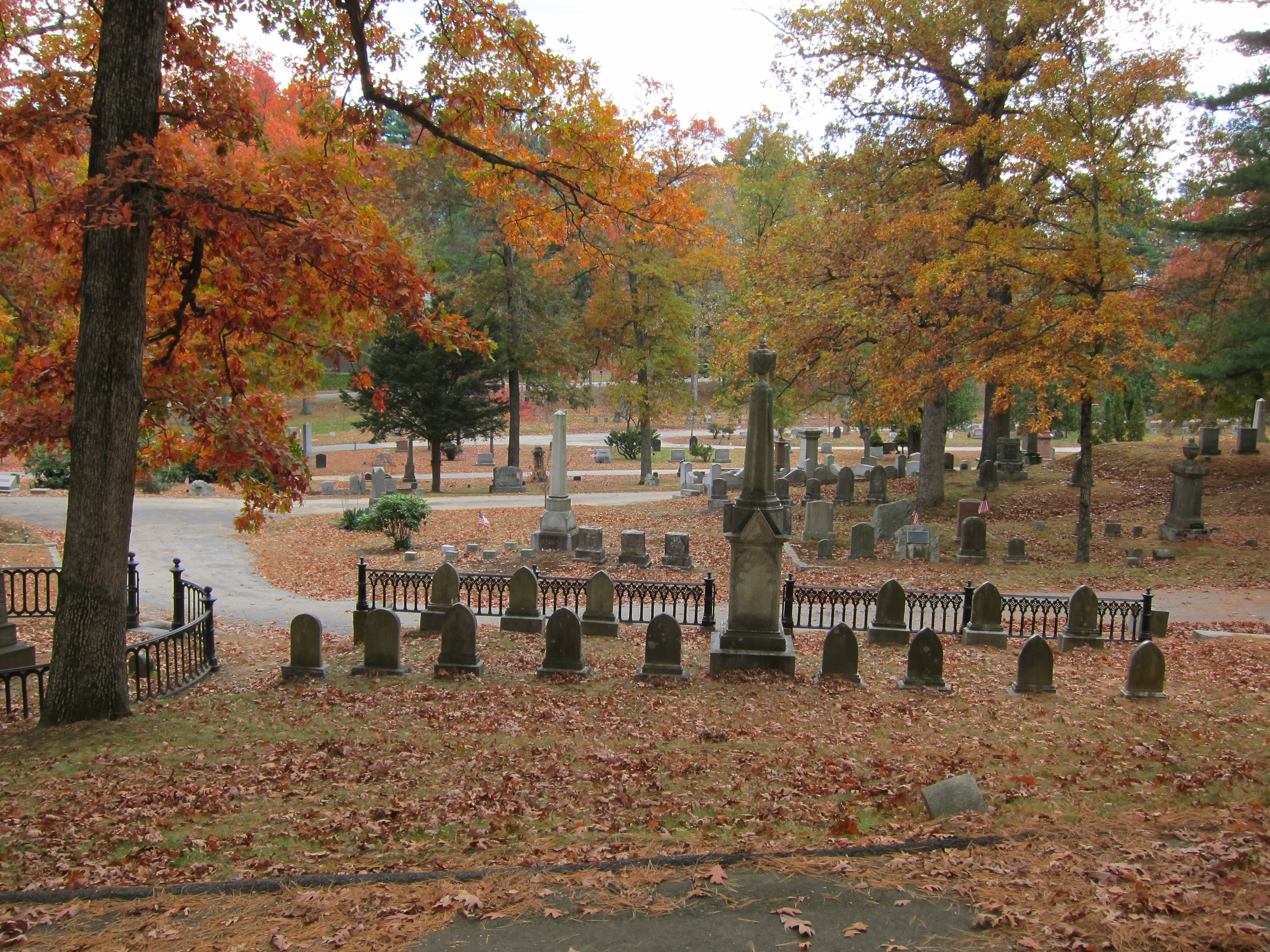
Author's Ridge
They were all buried at what is called 
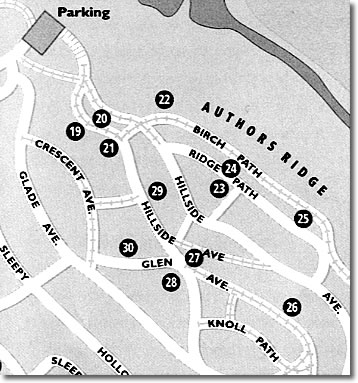
"Authors Ridge" in Concord's
Map of Authors Ridge, Concord MA
19. Henry David Thoreau
20. Nathaniel & Sophia Hawthorne
21. Alcott Family
23. Ralph Waldo Emerson & Family
PIANO SONATA NO. 2
"CONCORD"
Complete
Gilbert Kalish, Piano
I: Emerson
II: Hawthorne
III: The Alcotts
III: Thoreau
The sonata is built on two motifs.
One, epic in nature, consisting of three
repeated notes and a drop of a third
to the fourth note; similar to
the opening motif of Beethoven's
Fifth Symphony.
Beethoven’s Fifth Rewritten
In one of the most thrilling
 passages from "Emerson," Ives
 reharmonizes the famous motive;
 he takes Beethoven, and dirties him up,
with a glorious bluesy intensity.
BEETHOVEEN SYMPHONY NO. 5
Movement 1
Arturo Toscanini, Conductor
"Ives drew a connection between the philosophy
of Emerson and the compositions of Beethoven,
ending his Essay on Emerson by writing: There
is an 'oracle' at the beginning of the Fifth
Symphony—in those four notes lies one of
Beethoven’s greatest messages. We would
place its translation above the relentlessness
of fate knocking at the door...and strive to bring
it toward the spiritual message of Emerson’s
revelations—even to the ‘common heart’ of
Concord— the Soul of humanity knocking at
the door of the Divine mysteries, radiant in
the faith that it will be opened—and that
the human will become the Divine."

The second motif is lyrical and moves mostly

in conjunct motion. There is usually some

interweaving of the two, whenever they appear.
PIANO SONATA NO. 2
"CONCORD" I: EMERSON
John Kirkpatrick, Piano
DSC01406
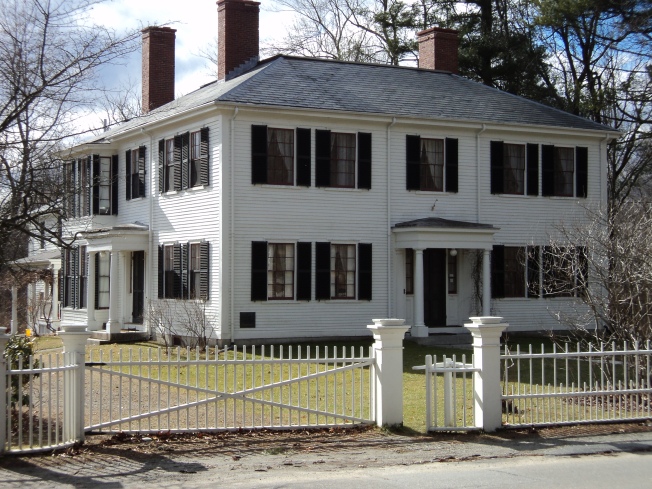
Bush: Emerson's House
Ralph Waldo Emerson
The Wayside: Hawthorne's House
PIANO SONATA NO. 2
"CONCORD" II: HAWTHORNE
John Kirkpatrick, Piano
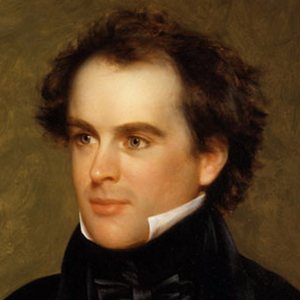
Nathaniel Hawthorne
The Orchard House: Alcott's Home
PIANO SONATA NO. 2
"CONCORD" III: THE ALCOTTS
John Kirkpatrick, Piano

PIANO SONATA NO. 2
"CONCORD" III: THE ALCOTTS
Charles Ives, Piano
Charles Ives begins this piece with a
4-note motive (as Beethoven does in his
 5th Sympony) and then uses it, often
in variation, as the basis for the rest
of the composition.

Compare the introduction of Ives' piece
with the beginning of "Every Little Kiss"
by Bruce Hornsby and the Range.
The melody of the song is based on the
introduction which was borrowed from Ives.

Thursday, October 14, 2010

WHAT WE DID TODAY #1-31: THURSDAY; OCTOBER 14, 2010

GENERAL MUSIC PERIODS 2,3,6 
COMPOSER: BACH: "Jesu Joy of Man's Desiring"

OBJECTIVE: Treble Clef Note Reading on the Recorder/Recorder Holiday Songs
1. QUOTE AUTHOR: Ludwig van Beethoven
.....a. Term used in the quote to define: Virtue: a trait or quality deemed to be morally excellent and thus is valued as a foundation of principle and good moral being. .....a. Deafness of Beethoven; he was slowly loosing his hearing and was to become completely deaf near the latter years of his life.
..........1)He wrote his last symphony #9 ("Choral"), which has the famous "Ode to Joy" melody, when he was deaf and never heard it performed.
.....b. He had an abusive father.
.....c. Beethoven was depressed and the more he became depressed the more beautiful his music became.
2. SOLFEGE/CHECK QUOTES: Period 3 did this only due to computer problems during periods 2, 6
.....a. Using solfege (and corresponding hand signals) in different sound patterns: Sol-Mi; Sol-Mi-La; Do-Re-Mi; Mi, Re, Do
.....b. Students were asked by the teacher if their quotes were done (as we have done before) only each student was asked the question in a different sound pattern (taken from the list above) and was then asked to respond using the same pattern as the teacher
3. RECORDER
.....a. Warm-Up/Echo Technique
...........1)Used notes from "B" down to low "C" on the instrument
...........2)Used note in preparation for songs that would be played at the lesson
.....b. Holiday Song: JOLLY OLD ST. NICHOLAS
...........1)Note reading treble clef notes by reviewing "G" clef [line 2 of the musical staff (2nd line from the bottom) is the note "G"] By knowing these simple rules all the notes on the staff can be identified:
..............a)Need to know the name of any single note located on the staff ("G" clef tells you that line 2 is a G)
..............b)Need to know the musical alphabet forward and backwards
..............c)Need to understand the concept of moving by "step" (a note on a line moving to the very next space on note on a space moving to the very next line)
..............d)Need to know what direction the second note is moving from the first note (if the second note is 1 step higher than the first note then the musical alphabet name of the note is also one letter higher from the first note and vice versa)
............2)After placing the note names down we then transfered the note names to the recorder fingers and wrote the
fingering down
............3) We then reviewed the directions (repeat signs/first and second ending symbols) and the rhythms of quarters, eighths in pairs, and quarter rests
............4)With a piano accompaniment and teacher pointing the class played the song, then we had some student to become the pointers to lead the class.
............5)Next week students will be given a music sheet, like the poster we worked on today, and asked to write down the note names in preparation for them to play this same song we just played on the recorder on the keyboard
.....c. JINGLE BELLS
............1)Same procedure as "JOLLY" except we added some more lower notes
............2)Learned about low C on the recorder being middle C on the keyboard
............3)For memorizing purposes I said that middle C looks like the planet Saturn because it looks like it has a ring around it (actually the "ring"is an added line added below the musical staff called a "leger" line
............4)Period 2 and 3 finished this section; period 6 ran out of time to write the notes down so we will finish this next
week but we sight read through the song
4. ALLEY CAT: LEFT-RIGHT SONG
.....a. Period 2 had some time left so we reviewed the left-right directions only this time with out colors indicating which notes were to be played by which hand (stems on notes going u to the right played by the right hand and stems going down to the left played by the right hand)

******Due to computer problems today's quote was again excused. I have been given a loaner computer until mine is fixed. Thanks for all the patience.

BEGINNING VIOLIN PERIOD 5: 
OBJECTIVE: PREPARATION FOR HOLIDAY PERFORMANCE/DOUBLE STOPPING 1. TUNE
2. DO-RE-MI-FA/FA-MI-RE-DO ( 0 1 23 32 1 0 ) each string
......a. Explained about 3rd finger and in this fingering pattern 2nd and 3rd fingers touch or "feel the skin" of each other ("tip to tip")
.....b. Explained that the 3rd finger down on the higher of two cosequiative strings is the same note (an octave higher) of the lower open string note of the 2 strings
.........1)3rd finger on "D" is "G"
.........2)3rd finger on "A" is "D"
.........3)3rd finger on "E" is "A"
.....c. Sympathetic vibrations of open strings will cause a ringing sound when the 3rd finger is placed down properly
.........1)Listening for that will help to know if note is in tune
.........2)Teacher demonstrated
3. HOLIDAY PROGRAM SONG: HAVA NAGILA

.....a. Worked on articulation by playing a passage with one person, than adding another so that both players sounded like one, then we added a 3rd, etc. until all students were listening to one another and playing like one huge violin instead of 17 violins
.....b. Showed what proper articulation looks like on a diagram and how proper articulation can be used to cover up mistakes so the audience does not notice them
Coming Up: More holiday songs putting fingers down on strings

ADVANCED VIOLIN PERIOD 4: 

OBJECTIVE: Preparation for: Holiday Program December 9th
1. TUNE
2. MUSIC STANDS WERE SET-UP
3. GREENSLEEVES
.....a. Listen to the accompaniment with string harmony part
.....b. Everyone plays harmony part together (later to separate into melody and harmony parts)
...........1)Playing the harmony part is important even for those who will be playing the melody because harmony helps
the ear with intonation, the counting is different, and also because it is good for everyone in the group to know how their part fits together with the the others.
...........2)Started to work on certain difficult parts with violins on melodic parts
...........3)Added violins in melody while others played harmony
4. Coventry Carol
.....a. Played with beginning violins during HR
.....b. We sight read this
5. Preparation for the Harvest Festival Performance
......a. There are 10 practice sessions (days left) before the concert
......b. We will be performing on the outside stage in the early part of the festival
......c. When we are finished we can put our instruments away in the room and enjoy rest of the festivities
......d. More information to follow when I get it.