Showing posts with label left vs right. Show all posts

Thursday, January 9, 2014

QUARTERS and EIGHTHS: ALLEY CAT RHYTHMIC PERCUSSION LESSON


"ALLEY CAT SONG" LESSONS
BODY PERCUSSION SONG "ALLEY CAT"

Utilizes form and rhythms of quarter notes, quarter rests, and eighth notes in pairs. 
This lesson can be extended into many lessons to cover many of the musical elements.

PREPARATION:
SILENT COMMUNICATION 
FOLLOWING A CONDUCTOR

BODY PERCUSSION
PREPARATION: ECHO RHYTHMS 

Play the audio of "Alley Cat"and while listening investigate:

FORM and PATTERNS

Student Generated Chart of "ALLEY CAT"

PERFORMANCE #1
.....1.  GRAPHING CHART INFORMATION
..........a.  A mathematical graph of the beats that visually shows the musical form. 
...............1)  "ALLEY CAT" FORM: Intro/A/A/B/A/CODA   
..........b.  Each square represents one "heart beat" in the music. 
...............1)  Music is ever present at all times in our bodies
..........c.  Compare FORM in music to: 
...............1)  Form in writing 
...............2)  A "sandwich" 2 pieces of bread (INTRO and CODA) with cheese and turkey in between
...............3)  Other things that have form (any other ideas?)
..........d.  Look for the colors to form many types of mathematical patterns (sometimes patterns within patterns).
...............1)  These visual patterns can also be heard (and quickly memorized) easily by the ear as patterns of sound.
.....2.  PERFORMANCE INFORMATION USING THE ALLEY CAT GRAPH CHART
..........a.  Each color is a different body percussion movement.
..........b.  Students to play with help of the teacher but then be able to follow the chart without that help.
...............1)  Students learn to track with their own eyes and listen to the patterns of sound on their own.


PERCUSSION INSTRUMENTS
PERFORMANCE #2
USING THE ALLEY CAT GRAPH CHART
REVIEW PERCUSSION INSTRUMENTS: NAMES and HOW THEY ARE PLAYED
.....1.  Exchange body percussion to instruments 
..........a.  Blue is any choice
..........b.  Wood sounds play the color yellow (A SECTION)  
..........c.  Scraper and shakers play pink (B SECTION)
.....2.  Students play with and without the help of teacher tracking
.....3.  Students exchange instruments and play different parts


SIMPLE RHYTHMIC NOTATION
QUARTER and EIGHTH RHYTHMIC PATTERNS INTRODUCTION


Student Generated Chart of "ALLEY CAT" RHYTHMS


ALLEY CAT RHYTHMIC CHART WITH QUARTER and EIGHTHS 
INTRO. TO BASIC RHYTHMS and their notation
.....1.  What is a quarter note?
..........a.  Generally the "heart beat" in music is called the quarter beat or "quarter note"
..........b.  An easy way to produce it is by the tap of a foot, a patsch on the leg, a clap of a hand, or a snap of a finger
..........c.  Verbally, there are many ways to produce it; an easy way is by saying (or thinking) the sound of "TAH"
.....2.  Is all sound music?
.....3.  What is silence? What is one of its function in music?
..........a.  Silence organizes sound into patterns; without silence the sound continues on without stopping like a drone.
..........b.  Silence in music is called a REST
..........c.  There is a relative REST for every type of played rhythmic note in music
.....4.  The length of sounds and silences can be musically notated using specific musical symbols based on fractions
.....5.  Eighth notes
..........a.  Splitting quarter notes in half produces a sound that is twice as fast
..........b.  Two eighth notes equal one quarter beat

PERFORMANCE #3
What is the difference between watching and focusing? 
(Review sitting still and having the eyes in focus BEFORE the music starts with "a moment of SILENCE") 
.....1.  Review note values and rhythm reading; how to perform a rest (which should be felt but not heard) 
.....2.  Perform using body percussion (any hand) while counting out loud in order to prevent "daydreaming" (losing focus) 
.....3.  Teacher will first point to help students track then have students focus without the help.

LEFT VS RIGHT
PERFORMANCE #4
Brain: Left Side/ Right Side and What It Has to Do With Music
.....1.  Explained that are bodies are "cross-circuited"
..........a.  Right side of the brain controls the left side and vice-versa
.....2.  Most everyone favors one side of the brain over the other that is why some people write with their right hand and some 
           with their left
..........a.  Few people can write equally well using right and left hands
..........b.  Equal use of both hands is called being "ambidextrous"
..........c.  In terms of certain skills controlled by one side of the brain, the other side is under developed
...............1)  To illustrate this point: print and write in cursive your name with the normal hand and then try the other
.....3.  What makes music unique compared to some other art forms is that most musicians need equal use of both hands in 
          order to create their art.
..........a.  An art teacher would probably not ask the student to draw using the weak hand, either would the English teacher 
               ask the student to hand write an essay using the weak hand; but in music the playing of most instruments requires 
               it.
.....4.  As the exercise in writing your name with the weak hand illustrates, the brain is trying extremely hard to send the 
          message to move the fingers, but the fingers cannot respond quickly (like the fingers on the strong hand does) 
..........a.  Frustration results when the brain knows how to do something but the muscles cannot respond at the same rate of 
               speed; this is the experience all musicians go through during music training (especially beginners).
..........b.  Actually this "frustration" is the brain expanding its capabilities (sort-of like the muscles aching when exercising 
               them; trying to build them up).
..........c.  Frustration thus is a good thing and all muscians experience this when learning something new.
.....5.  Playing music, learning to use both hands equally, forces the under-developed side of the brain to be used and thus 
          people who do this utilize more of their brain capacity
..........a.  I like to say, "Playing music makes a person smarter; the more of the brain you use the smarter you become."
.....6. Go over directions: why certain notes are colored red and some colored black (red notes and black notes have stems in 
          different directions as well)

Review
.....1.  The different colors indicated the use of right and left hands used to perform the rhythms in this body percussion 
           exercise.
.....2.  Using the left and right hands (not always in patterns) demonstrates the use of the right and left brain activity as 
           discussed earlier.
..........a.  Students will feel frustration or their brains' expanding as they perform this piece; especially when left-right 
               patterns are deliberately changed often near the end.
..........b.  As the brain functions by patterns, it rebels when new patterns are suddenly introduced to it.
..........c.   Forcing the brain to learn new patterns also expands the abilities of the brain's function.
.....3.  This exercise demonstrates the technique that a drummer (snare drummer) must go through when playing.
..........a.  Profession drummers plan their "sticking" (which hand plays which note at any given time) before practicing any 
               given piece. (Sticking is not random.)
.....4.  Since the performance of this is only rhythmic (no melody playing by the performer) in the beginning of the learning 
          process the ear cannot easily help out the eyes should the eyes get lost; so focus and concentration is more difficult in 
          drumming then on a melody instrument
.....5.  Perform with body percussion (BP) using a different color for each hand while counting out loud (best to say either 
           "left" or "right" in order to prevent getting the hands confused) for good focus. 
..........a.  Can perform this piece using percussion instruments instead of body percussion (BP).

ORCHESTRATION/PERCUSSION INSTRUMENTS
PERFORMANCE #5
Using the colored note chart: ALLEY CAT RHYTHMIC CHART (not the graphing chart)
.....1.  Pass out various percussion instruments (selection can vary/review each instrument briefly) : 
..........a.  slapstick
..........b.  tambourine
..........c.  cabasa
..........d.  guiro
..........e.  spoons
..........f.   claves 
..........g.  woodblock
..........h.  ratchet  
..........i.  maracas
..........j.  triangles
.....2.  Class discusses which instruments to use on specific notes and why (TERM: ORCHESTRATION) 
..........a.  Discussion of contrast between different sound colors or TIMBRES (like visual colors in art)
...............1)  Which instruments "shake" or "scrape" 
...............2)  Which instruments have metal sound qualities, wood sounds, etc.
..........b.  Discussion on how long each instrument can vibrate and how that determines the placement of the sound.
.....3.  Class/teacher determines which instruments to place on each color and/or symbol.
.....4.  Assign different instruments for red and black notes.  
..........a.  Colored "X" symbols are also added for use of the triangles.
.....5.  Review how to follow a conductor's silent cues (signals) and how to start and end together.

FOCUS
PERFORMANCE #6
Review PERFORMANCE #2 using "Uncolored" notes.  
.....1.  Stems on the notes will either be "up" to the right indicating the use of the "right" hand or stems "down" to the left 
           indicating the use of the "left" hand.  
..........a.  Please note the difficulty the eyes have staying focused.  Even though the concept of note reading may seem very 
               understandable the actual visual (physical) part can often be exhausting.


http://www.mediafire.com/download/al6123zglokalud/Alley+Cat+and+Chicken+Fat+v1.mp3

Thursday, August 22, 2013

THURSDAY, AUGUST 22, 2013

QUOTE:
“This will be our reply to violence: to make music more intensely, more beautifully, more devotedly 
  than ever before.”
AUTHOR: Leonard Bernstein
MEANING OF THE QUOTE:
"When you are angry its not the answer. Get your emotions out with your 
  music instead.”


COMPOSER
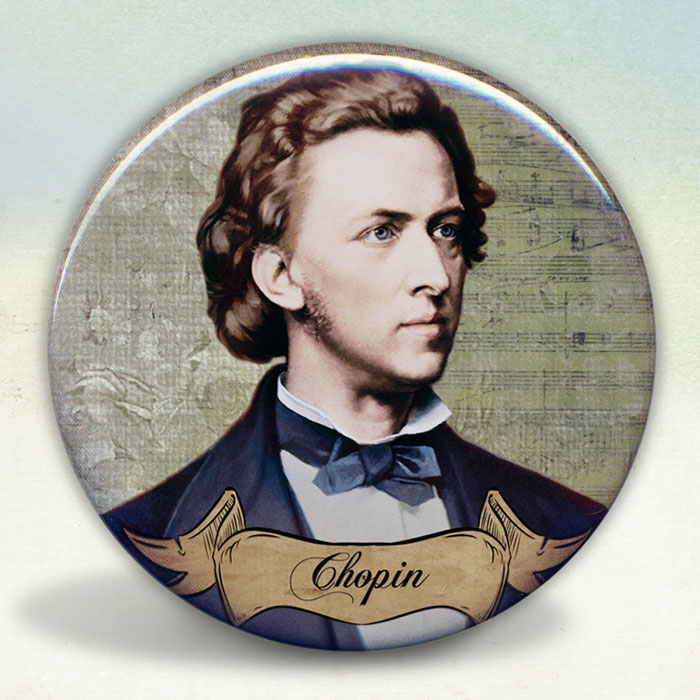
CHOPIN


Chopin Waltz, Op. 64, No. 1 D-Flat
"Minute"
Played by Rachmaninoff

Chopin Waltz, Op. 64, No. 1 D-Flat
"Minute"
Played in One Minute

Chopin Waltz, Op. 64, No. 1 D-Flat
"Minute"
Performed by Victor Borge and Leonid Hambro 

Chopin Waltz, Op. 64, No. 1 D-Flat
"Minute"
Performed by Ignaz Friedman
(The picture seen here is not Friedman)

THE "MINUTE WALTZ"
WITH WORDS ADDED
CHECK OUT THIS ROCK and ROLL VERSION:


The waltz is a salon dance that originated from folk country-type dance forms.  It evolved into an eloquent and aristocratic dance and became an important entertainment of royals and nobles at the beginning of the 19th Century


    GRANADA ADV. STRINGS
1.D Major scale (one octave) violins use open A string going up but use 
4th finger on the D string going down
2. Jingle Bell Rock

INTRO. TO INSTRUMENT
1. Concluded discussion of Left versus Right in playing musical instruments

"ALLEY CAT" COUNTING QUARTERS (INCLUDING RESTS) and EIGHTHS USINLEFT AND 
RIGHT HANDS IN DIFFERENT PATTERNS 
a. NOTES ARE COLORIZED IN RED AND BLACK DENOTING LEFT AND RIGHHANDS
b. READING THE SAME RHYTHMS AS IN THE THE BLACK AND WHITE VERSION 
STUDENTS ARE TO PERFORM THE RHYTHMS FOLLOWING THE DIRECTION GIVEN AS TO WHAT HAND TO USE 
TO HELP WITH FOCUSING STUDENTS SHOULD SAY THE DIRECTIONS
"LEFT" or "RIGHT" AS THEY MOVE THEIR HANDS TO THE RHYTHM WHILE
ALSO LISTENING TO TO THE RECORDING AT THE SAME TIME 
c. BEFORE PERFORMING THIS STUDENTS ARE ASKED TO MAKE A MENTAL
NOTE TO PAY SPECIAL ATTENTION (TO DISCUSS AFTER) TO WHY
PERFORMING THE MUSIC THIS WAY IS MORE DIFFICULT THAN THE
EXAMPLE OF THE BLACK AND WHITE WAY (WE DID YESTERDAY) WHERE
THEY COULD USE ANY HAND THEY WISHED TO PERFORM THE RHYTHMS
d. DISCUSSION OF WHAT MADE THE BLACK and WHITE EXAMPLE MORE DIFFICULT and WHY
e. EXPLANATION OF THE DIFFICULTY OF USING BOTH LEFT and RIGHT HANDS IN PLAYING A MUSICAL INSTRUMENT 
1) EXPLANATION OF HOW OUR BRAINS FUNCTION and  HOW WE ARE ALL 
"CROSS CIRCUITED" AND TEND TO EMPHASIZE ONE HAND OVER THE OTHER
2) STUDENTS ASKED TO WRITE THEIR NAMES WITH STRONG and WEAK 
HANDS TO EMPHASIZE HOW ONE SIDE OF THE BRAIN IS MORE DEVELOPED 
THAN THE OTHER SIDE FOR THIS PARTICULAR ACTIVITY 
3) ASKED STUDENTS TO FEEL THE FRUSTRATION THAT OCCURRED WHEN DOING THIS and TO RELATE IT TO THE FRUSTRATION THAT OCCURRED WHILE PERFORMING THE "COLORIZED" VERSION
f. DISCUSSED THE USE OF PATTERNS and HOW THE BRAIN GRAVITATES AND RELATES TO PATTERNS IT RECOGNIZES 
and WHEN PATTERNS ARE NEW THE BRAIN AT FIRST TENDS TO REBEL AGAINST THEM 
(WHICH WILL ALSO CAUSE FRUSTRATION)

2.  Recorders
a.  Went over directions on how to take care of the recorders
b.  Handed the recorders out and had students label their instruments and bags with their names

GRANADA BEG. STRINGS
1. Reviewd instrument parts with a short worksheet
2.  Short oral quiz on instrument parts
3.  Discussion about shoulder rests: why they are used and how to put one on a violin
4.  Each student tried out hold the violin with and without the shoulder rest to see how differently it feels when holding the instrument 

HILLVIEW ORCHESTRA
1.  Tuned group to Concert A
a.  Discussed breath support for flutes in order to maintain a straight line 
of sound without wavering
2.  Started to work on Jingle Bell Rock (first section)
3.  Discussed and practiced a short chromatic pattern for the violin part where students have to slide their 1st finger from its regular position back toward the nut and then use their second finger placed in the 1st finger position (an extension into 1/2 position with the thumb 
remaining in 1st position)

Friday, February 15, 2013

FRIDAY, FEBRUARY 15, 2013

QUOTE:
“A man only becomes wise when he begins to calculate the approximate depth of his ignorance.”
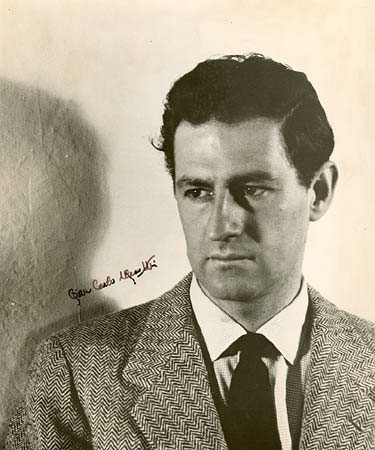
AUTHOR: Gian Carlo Menotti
MEANING OF THE QUOTE:
“A smart person knows he/she does not know everything; that there is 
  always more to learn.”


COMPOSER
RIMSKY-KORSAKOV


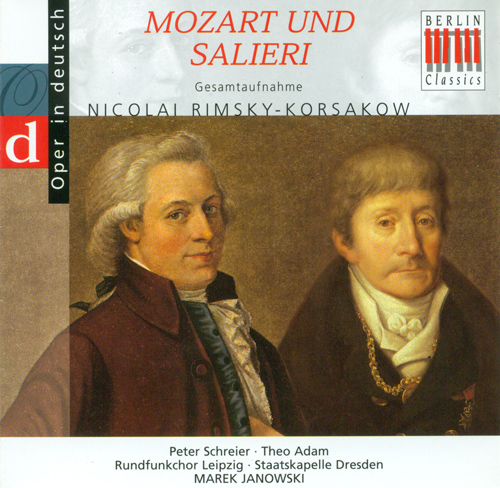
Mozart and Salieri Opera


Mozart and Salieri listen as a blind violinist plays. 
Illustration to Pushkin's tragedy "Mozart and Salieri"

by Mikhail Vrubel


Salieri pours poison into a glass for Mozart.
Illustration to Pushkin's tragedy "Mozart and Salieri"

by Mikhail Vrubel


GENERAL MUSIC:
01.  MUSICAL ALPHABET WORKSHEET GRAPHS (continued)
02.  ALLEY CAT LEFT VERSUS RIGHT BRAIN LEARNING IN MUSIC (QUARTER and EIGHTH NOTE        RHYTHM  COUNTING) RHYTHMIC SYMBOL READING and FOCUSING SKILLS)
........a.  DISCUSSION ON HOW IN MUSIC TO PLAY MOST INSTRUMENTS BOTH HANDS ARE USED                EQUALLY
.............1)  COMPARED USE OF BOTH HANDS TO THEIR IMPORTANCE IN THE CREATION OF                           OTHER ART FORMS
........b.   DISCUSSION OF THE BRAIN and HOW IT IS CROSS-CIRCUITED
..............1)  LEFT SIDE OF THE BRAIN CONTROLS THE RIGHT HAND and VICE-VERSA
..............2)  MOST PEOPLE FAVOR ONE HAND OVER THE OTHER
..............3)  MOST PEOPLE HAVE THE USE OF ONE HAND MORE DEVELOPED THAN THE OTHER
..............4)  USING THE WEAKER HAND CAUSES FRUSTRATION BECAUSE IT DOES NOT RESPOND                    TO BRAIN DIRECTIONS AS QUICKLY AS THE STRONG HAND
....................a)  STUDENTS DEMONSTRATED THIS BY WRITING THEIR NAME WITH THE WEAK                              HAND FOLLOWED BY WRITING THEIR NAME WITH THE STRONG HAND and                                    COMPARING THE RESULTS
....THE WEAK HAND EXAMPLE LOOKED LESS SOPHISTICATED PERHAPS CHILD-LIKE
....THE WEAK HAND EXAMPLE TOOK A LONGER TIME TO CREATE AS IT TOOK MORE 
     CONCENTRATION TO CONTROL THE MOVEMENT
..............5)  CONSTANT USING OF THE WEAK HAND (AS NEEDED IN PLAYING MOST                                            INSTRUMENTS) WILL OPEN UP THE OTHER SIDE OF THE BRAIN AND, WITH                                    PRACTICE, THE WEAK HAND WILL   EQUALIZE IN ITS ABILITY TO PERFORM EQUAL                    TASKS TO THE STRONG HAND
..............6)  CONCENTRATION and FOCUSING SKILLS ARE LEARNED THROUGH THE PRACTICE                        OF TEACHING LEFT and RIGHT HAND CROSS-CIRCUITING MOVEMENTS
........c.    STUDENTS READ THE "RIGHT" and "LEFT" DIRECTIONS OUT LOUD WHILE READING                    THE RHYTHMIC SIGNALS AND MOVING THE APPROPRIATE RIGHT and LEFT                                  MOVEMENTS
...............1)  LEFT-RIGHT MOVEMENTS IN THE FIRST HALF OF THE SONG ARE IN PATTERNS                            WHICH ARE EASIER FOR THE BRAIN TO EXECUTE
...............2)  LEFT-RIGHT MOVEMENT IN THE SECOND HALF OF THE SONG ARE IN PATTERNS                          WHICH ARE RANDOMLY PLACED TO MAKE IT HARDER FOR THE BRAIN TO                                    EXECUTE
               3)  STUDENTS WERE ASKED TO PERFORM THE MOVEMENTS IN THIS SONG and WHILE                     DOING IT TRY TO NOTICE IF THEY HAD A MORE DIFFICULT TIME PERFORMING                           THE LAST PART OF THE PIECE and IF SO WHY?
.....................a)  THE CLASS DISCUSSED REASONS FOR THE DIFFICULTY IN THE SECOND HALF
.....................b)  THE CLASS DISCOVERED THAT THE BRAIN LIKES TO THINK IN PATTERNS and                             LEARNING SOMETHING NEW WITHOUT PATTERNS THAT THE BRAIN CAN                                       EASILY IDENTIFY IS MORE DIFFICULT TO PERFORM
.....................c)   WITH REPETITION THOSE DIFFICULT PATTERNS WILL BECOME IDENTIFIABLE                           TO THE BRAIN and BECOME EASY FOR THE BRAIN TO EXECUTE
                
ADV. STRINGS
01.  STAIRWAY TO HEAVEN
........a.  WORKED ON GETTING THE GUITAR PARTS SYNCRONIZED WITH THE OTHER PARTS
02.  WHAT MAKES YOU BEAUTIFUL

BEG. STRINGS
01.  LOS MACHETES (MELODY)
........a.  PRACTICED THE FIRST and SECOND PHRASE
........b.  ADDED THE FIRST PHRASE TO THE SECOND PHRASE
02.  HOUDINI (HARMONY) NEW PIECE
........a.  TEACHER DEMONSTRATION
........b.  DISCUSSION OF DOTTED QUARTER to EIGHTH NOTE RHYTHM
..............1)  1 1/2 BEATS FOLLOWED BY 1/2 OF A BEAT
..............2)  ANOTHER WAY TO COUNT THIS IS BY SAYING THE WORDS "SLOW-LY" WHEN YOU                      SEE THE TWO SYMBOLS TOGETHER
........c.  CLASS SIGHT READ THROUGH THE PIECE WITH TEACHER TRACKING HELP

Friday, February 11, 2011

WHAT WE DID TODAY (SEMESTER #2-10): FRIDAY; FEBRUARY 11, 2011

GENERAL MUSIC PERIODS 2, 3, 6:
COMPOSER: Chopin Waltz in Db Major Opus 64 #1 "Minute Waltz" [Not really meant to be played in a minute but it is a very short piece played on the fast side.
Performed by Ignaz Friedman

OBJECTIVE: QUARTERS AND EIGHTHS/LEFT vs RIGHT IN MUSIC
1. Quote by Ludwig Van Beethoven ....a. One of Beethoven's famous pieces is "Wellington's Victory" where he reenacts a war scene through music. As discussed in a previous lesson, he uses a percussion instrument called a "ratchet."


A "ratchet" is a percussion instrument consisting of a cogwheel, frame, and wooden tongue.

It produces a very loud clicking sound by spinning the cogwheel around against the tongue.


Beethoven uses the "ratchet" to portray the sound of gunfire in this music. 
2. SOLFEGE: SOL-MI
3. LEFT versus RIGHT
.....a. Students instructed to write their name using their weak hand (the hand they normally do not use)
..........1)Use of the weak hand demonstrates what musicians experience when playing instruments which use both hands
.....b. Discussed how the brain works: right side of the brain controls left side of the body and vice versa
...........1)Implications of brain function and the playing of most instruments which use the equal use of both hands while performance
...........2)Most instrumentalists need to use both hands equally; in order to do this the usually weak hand that most everyone has must be developed more then normal
...........3)Using the weak hand forces the brain to use its under-developed side which expands brain usage
...........4)Frustration that often comes from using the weak hand is actually the feeling of the under-developed side of the brain expanding
......c. "ALLEY CAT" RHYTHM PIECE UTILZING LEFT and RIGHT HANDS
...........1)Students counted out loud the rhythms on the chart
..............a)Quarters-quarter rests/eighths notes in pairs
...............b)Used body percussion (BP)
...........2)Chart of song has BLACK and RED notes and students instructed to count rhythms but use RIGHT HAND for BLACK notes and LEFT HAND for RED notes

BEGINNING VIOLIN PERIOD 5:
OBJECTIVE: PREPARATION FOR SPRING CONCERT
1. TUNE
2. SONG: "21 GUNS"
.....a. Played through music with teacher helping with tracking
.....b. Reviewed music "road sign" directions
.....c. Class played their harmony part without help of teacher tracking while teacher played the melody
3. SONG: "HOEDOWN"
.....a. Worked on section "B" to get proper articulation
.....b. Started to add harmony part

ADVANCED VIOLIN PERIOD 4:
OBJECTIVE: PREPARATION FOR SPRING CONCERT
1. TUNE
2. "NUMB"
.....a. Played through the entire piece for continuity
.....b. Will need to work on unifying the bowings
3. "21 GUNS"
......a. Played through the entire piece first
......b. Worked toward articulation by starting with keyboard, cello, and quitar parts first then added in a few violins at a time until everyone was playing together

A FEW STUDENTS STILL NEED TO TURN IN THEIR PERMISSION SLIP FORMS FOR THE FIELD TRIP TO THE DISNEY HALL IN DOWNTOWN LOS ANGELES ON FEBRUARY 24th.

Wednesday, October 13, 2010

WHAT WE DID TODAY #1-30: WEDNESDAY; OCTOBER 13, 2010

GENERAL MUSIC PERIODS 2,3,6 
COMPOSER: BACH: Minuet in G 
(transcribed for violin)

1. This music came from the "Notebook for Anna Magdalena"
2. It is manuscript notebook (1725) that Bach presented to his second wife Anna Magdalena and is a compilation
    of music by both Bach and other composers of the era which features keyboard music (minuets, rondeaux, 
    polonaises,  chorales, sonatas, preludes, musettes, marches, gavottes) and a few pieces for voice (songs, and arias).
    (http://en.wikipedia.org/wiki/Notebook_for_Anna_Magdalena_Bach
3. The author of the music maybe Bach or someone else but because it is in this notebook it is attributed to Bach.
4. This music was often used for teaching purposes and today is often transcribed for other instruments.
5. Term "Minuet":
.....a. This is a social dance of French origin for two people, usually in 3/4 time. 

.....b. The word was adapted from Italian minuetto and French menuet, meaning small, pretty, delicate.

.....c. The name is also given to a musical composition written in the same time and rhythm, but when not accompanying 
         an actual dance, the pace was quicker. (http://en.wikipedia.org/wiki/Minuet)
6. Term "Transcribed": An adaptation or reworking of a musical composition for a different instrument than the music 
     was originally written for. 

OBJECTIVE: Using the Left and Right Brain

1. QUOTE AUTHOR: Frederick Delius
.....a. One of his most famous pieces is called "On Hearing the First Cuckoo in Spring" 


2. Brain: Left Side/ Right Side and What It Has to Do With Music
.....a. Explained that are bodies are "cross-circuited"
..........1)Right side of the brain controls the left side and vice-versa
.....b. Most everyone favors one side of the brain over the other that is why some people write with their right 
         hand and some with their left
..........1)Few people can write equally well using right and left hands
..........2)Equal use of both hands is called being "ambidextrous"
..........3)In terms of certain skills controlled by one side of the brain, the other side is under developed
.............a)To illustrate this point: print and write in cursive your name with the normal hand and then try the other
......c. What makes music unique compared to some other art forms is that most musicians need equal use of both hands 
           in order to create their art.
...........1)An art teacher would probably not ask the student to draw using the weak hand, either would the English teacher  
               ask the student to hand write an essay using the weak hand; but in music the playing of most instruments 
               requires it.
......d. As the exercise in writing your name with the weak hand illustrates, the brain is trying extremely hard to send the 
          message to move the fingers, but the fingers cannot respond quickly (like the fingers on the strong hand does)
...........1)Frustration results when the brain knows how to do something but the muscles cannot respond at the same rate 
              of speed; this is the experience all musicians go through during music training (especially beginners). 
...........2)Actually this "frustration" is the brain expanding its capabilities (sort-of like the muscles aching when 
              exercising them; trying to build them up).
...........3)Frustration thus is a good thing and all musicians experience this when learning something new.
......e. Playing music, learning to use both hands equally, forces the under-developed side of the brain to be used and thus 
           people who do this utilize more of their brain capacity
...........1)I like to say, "Playing music makes a person smarter; the more of the brain you use the smarter you become."
3. BODY PERCUSSION SONG "ALLEY CAT"
.....a. Utilizes quarter notes and quarter rests and also eighth notes in pairs.
.....b. Review note values and rhythm reading; how to perform a rest (which should be felt but not heard)
.....c. Go over directions: why certain notes are colored red and some colored black (red notes and black notes have stems 
         in different directions as well)
.........1)The different colors indicated the use of right and left hands used to perform the rhythms in this body percussion 
              exercise.
.........2)Using the left and right hands (not always in patterns) demonstrates the use of the right and left brain activity as 
            discussed earlier.
............a)Students will feel frustration or their brains' expanding as they perform this piece; especially when left-right 
                  patterns are deliberately changed often near the end
............b)As the brain functions by patterns, it rebels when new patterns are suddenly introduced to it
............c)Forcing the brain to learn new patterns also expands the abilities of the brain's function.
.....d. This exercise demonstrates the technique that a drummer (snare drummer) must go through when playing.
.........1)Profession drummers plan their "sticking" (which hand plays which note at any given time) before practicing 
            any given piece. (Sticking is not random.)
.....e. Since the performance of this is only rhythmic (no melody playing by the performer) in the beginning of the 
         learning process the ear cannot easily help out the eyes should the eyes get lost; so focus and concentration is more 
         difficult in drumming then on a melody instrument
4. RECORDER HOLIDAY SONG: JOLLY OLD ST. NICK
......a. Short explanation of new note LOW "E" and its fingering
......b. Sight read through "JOLLY OLD ST. NICK"
5. REVIEW B-A-G SONG: TURKEY TROT

DECEMBER 9th is the holiday concert for chorus, band, and strings. Recorder students are invited to play their instruments ("recorder carolling") as the pre-concert activity outside of the gym. This is not mandatory; just a fun way to celebrate the holidays through music. We will play the holiday music learned in class. All students need to bring is their recorder; music and accompaniments will be already set-up. More details to follow as I get them.


BEGINNING VIOLIN PERIOD 5: 
OBJECTIVE: PREPARATION FOR HOLIDAY PERFORMANCE/DOUBLE STOPPING
1. DOUBLE-STOPPING

.....a. Separate Bows (UH) 2x at each of the 7 bow levels
.....c. Bow patterns taken from Hava Nagila: short long short short short long
.....d. "Mary Had a Little Lamb" double-stopped
.........1)Played the DO-RE-MI song with the neighboring higher open string
.........2)Played on G with open D, D with open A, A with open E, and then the melody alone on the E string

.........3)By adding the open string with the melody harmony is produced helping the ear hear intonation better on the 
            fingered notes ( a good intonation training technique) 
2. HOLIDAY PROGRAM SONG: COVENTRY CAROL
.....a. Worked on keeping together the pizzicato and rests
..........1)Because I wanted the rests to be "played"silently together I had students deliberately move something (like a head 
             nod) during them.
..........2)Even though rests are silent, they must be felt.
3.HOLIDAY PROGRAM SONG: HAVA NAGILA
.....a. Worked on certain sections to get the counting and articulation together
.....b. Worked for continuity; training the performer how to play through mistakes in a performance with others

.....c. Added a tremolo to the ending note (as per a student's suggestion; a suggestion I liked very much!)

ADVANCED VIOLIN PERIOD 4: 
OBJECTIVE: Preparation for: Harvest Day performance on October 28th/Holiday Program December 9th
1. TUNE
2. MUSIC STANDS WERE SET-UP
3. REVIEW SONGS FOR THE HARVEST FESTIVAL
.....a. HOEDOWN
 

.....b. ORANGE BLOSSOM SPECIAL
.....c. DE COLORES
4. GREENSLEEVES
.....a. Harmony first/split 2 parts..violins on melody (review some fingerings) rest harmony 

         Sight read Coventry Carol (added 7th grade beg. violins during HR) 
.....a. Listen to the accompaniment with string harmony part
.....b. Everyone plays harmony part together (later to separate into melody and harmony parts)
...........1)Playing the harmony part is important even for those who will be playing the melody because harmony helps the ear 

              with intonation, the counting is different, and also because it is good for everyone in the group to know how their 
              part fits together with the the others. 
5. Preparation for the Harvest Festival Performance
......a. There are 11 practice sessions (days left) before the concert
......b. We will be performing on the outside stage in the early part of the festival
......c. When we are finished we can put our instruments away in the room and enjoy rest of the festivities
......d. More information to follow when I get it.