Showing posts with label black keys. Show all posts

Tuesday, March 12, 2013

TUESDAY, MARCH 12, 2013

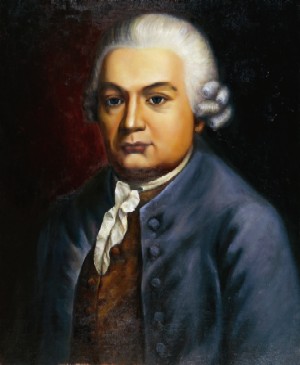
QUOTE FROM THE BOARD:
“What comprises good performance? It is the ability through singing or playing to make the ear conscious of 
   the true content and affect of a composition."
AUTHOR: Carl Philipp Emanuel Bach
MEANING OF THE QUOTE:
“A good performance gets the audience to feel something deep inside.”


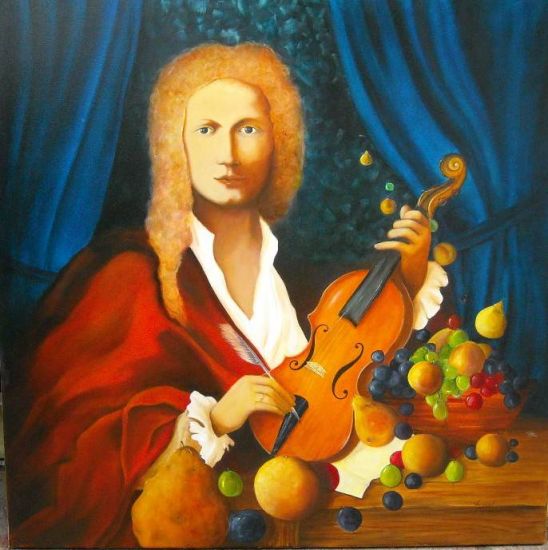
COMPOSER
VIVALDI
http://www.artelista.com/obra/8095258345089245-ilpreterosso.html

VIOLIN CONCERTO
G MAJOR RV. 310 OPUS 3 NO. 3
http://www.douban.com/event/16369840/
GENERAL MUSIC
01.  KEYBOARD THEORY WORKSHEET (MUSICAL ALPHABET) PAGE 8
02.  IDENTIFYING THE KEYBOARD'S BLACK KEYS 
........a.  THERE ARE 5 BLACK KEYS IN A PATTERN ON A KEYBOARD: TOGETHER THEY FORM                    THE PENTATONIC (5) NOTE SCALE
........b.  THE BLACK KEYS ARE GIVEN THEIR NAMES FROM THEIR NEIGHBORING WHITE KEYS
........c.  BLACK KEYS ARE CALLED SHARPS (#) and FLATS (b)
..............1)  BLACK KEYS TO THE RIGHT OF THE NEIGHBORING WHITE KEYS ARE CALLED                            SHARPS
....................a)  SHARPS RAISE THE PITCH OF THE WHITE KEY 1/2 STEP
..............2)  BLACK KEYS TO THE LEFT OF THE NEIGHBORING WHITE KEYS ARE CALLED                              FLATS
....................a)  FLATS LOWER THE PITCH OF THE WHITE KEYS 1/2 STEP
..............3)  EVERY BLACK KEY HAS TWO NAMES:  A SHARP NAME and A FLAT NAME                                        (ENHARMONIC
                    EQUIVALENTS or SOUND EQUALS)
03.  EAR TRAINING EXERCISES USING PENTATONIC (BLACK KEY ONLY) SONGS ON THE                      KEYBOARD
........a.  STUDENTS GIVEN A SONG SHEET WITH RECOGNIZABLE, EASY PENTATONIC SONGS                     (STARTING PITCH ONLY) AND THEY ARE TO USE THEIR EARS TO TRY TO PLAY THE                     SONG WITHOUT MUSIC NOTATION or LETTER NAMES BY EXPERIMENTATION 

ADV. STRINGS
01.  MY HEART WILL GO ON
02.  YOU'VE GOT A FRIEND IN ME

BEG. STRINGS
01.  LOS MACHETES (MELODY)
02.  SABOR A MI (HARMONY)
03.  YOU'VE GOT A FRIEND IN ME

BLACK KEY PENTATONIC SONGS

HERE IS A LIST OF PENTATONIC SONGS 
THAT CAN BE PLAYED USING 
THE BLACK KEYS OF THE PIANO ONLY:


Amazing Grace
Arirang
Auld Lang Syne
Bugle Calls
Cape Cod Chantey
Chatter with the Angels
Cherry Tree Carol
Cindy
Crawdad Hole
Cumberland Gap
Ezekiel Saw the Wheel
Fais Do Do
Farmer in the Dell
Git Along, Little Dogies
Goodbye, Old Paint
Go Tell It on the Mountain
Great Big House in New Orleans
Hot Cross Buns
Jennie Jenkins
Jesus Loves Me
John Henry
Jolly Old Saint Nicholas
Josey
Land of the Silver Birch
Li'l Liza Jane
Mary Had a Baby
Mary Had a Little Lamb
My Horses Ain't Hungry
Nobody Knows the Trouble I've Seen
Oh Susanna
Old Ark's A-Moverin'
Old Brass Wagon
Old Dan Tucker
Old Gray Mare
Old MacDonald
Old Texas
Peter, Peter Pumpkin Eater
Poor Wayfaring Stranger
Pretty Saro
Riddle Song
Ring Around the Rosy
Sacramento
Sandy Land
Skye Boat Song
Sourwood Mountain
Steal Away
Swapping Song
Swing Low, Sweet Chariot
This Old Hammer
This Train
Wade In The Water
Wayfaring Stranger

-------------


EAR TRAINING 
1. PLAY THESE SONGS BY EAR (STARTING KEY IS GIVEN)
2. IMPROVISE A MELODY BY BREAKING UP A SHORT POEM OR QUOTE 
AND PLACING SOUNDS ON THE SYLLABLES OF THE WORDS TO ANY RHYTHM YOU CHOOSE


SOME PENTATONIC SONGS 
WITH NOTATION 
(played on white keys)

Thursday, September 8, 2011

WHAT WE DID TODAY 2011-2012: SEMESTER #1 THURSDAY; SEPTEMBER 8, 2011

GENERAL MUSIC periods 1,2,3
OBJECTIVE: MUSICAL ALPHABET AND THE KEYBOARD
....MUSICAL ALPHABET GRAPHS (CONTINUED AS NEEDED)
....MUSICAL ALPHABET WORD SHEET

........1. Passed out and explained.
............a. Using the 7 musical alphabet letters only see how many words you can write down.
............b. May repeat letters as often as needed, use proper names, and abbreviations.
............c. Use only words in the dictionary and appropriate for use in school.
........2. To work on after graphing is completed.

....MUSICAL ALPHABET ON THE KEYBOARD

........1. Review directions about procedures on using the keyboards.
........2. Students are to take their PENTATONIC WORK SHEETS (see this video for a review of pentatonic black key notes:) 

up with them to the keyboard and try to play some of the songs on the sheet by ear.
............a. For each song a starting key name [it will be a flat (symbol: "b") name] is given. To locate that key (if not memorized yet) follow this procedure:
..................1) Locate black keys in groups of 2.
..................2) Find the white key in between the black keys in groups of 2 and that white key is named "D."
..................3) Using the musical alphabet (forward to the right or backwards to the left) on the white keys locate the letter name of the related black key you wish to find.
..................4) Once you locate the white key the black key directly to the left of the white key will be the note you will start the song on

.............b. Ear Training 

..................1)Choose a song from the sheet that you know and can hum to yourself.
..................2)Listen to yourself and determine when the sounds go higher and lower and when the sounds are close together or far apart.
..................3)Starting at the indicated first key of the song press down the next key in the direction you think the sound moves (right for higher, left for lower). If you hit the wrong note (the sound does not match what you hear in your head) try a different key until you find the correct one.
..................4)Ear training is called "training" for a purpose. Training the ear often starts off by experimentation and will become more acute with practice or "training" so don't be afraid to make a mistakes.

..................5)Improvise or create your own songs using only the black keys of the piano 

........2. The teacher will be checking students to see if they are able to demonstrate the concepts they have been asked to practice and help as needed.
(TO BE CONTINUED TOMORROW.)


BEGINNING VIOLIN period 5
OBJECTIVE: VIOLIN HISTORY/PARTS AND CARE OF INSTRUMENTS
....DEMONSTRATION OF REAL INSTRUMENTS FROM THE VIOLIN FAMILY
........1. STRING FAMILY OF THE ORCHESTRA
............a. DOUBLE BASS: The FATHER

.................1) Strings named from high to low: G, D, A, E
.................2)
Strings named same as the violin's but in reverse order
.............b. CELLO: The MOTHER
.................1)
Strings named from high to low: A, D, G, C
.................2) Strings named same as the viola's but lower
.............c. VIOLA: The BIG BROTHER
..................1) Strings named from high to low: A, D, G, C
.................2) Strings named same as the cello's but in higher
.............d. VIOLIN: The LITTLE SISTER
..................1)Strings named from high to low: E, A, D, G
..................2) Strings named same as the double bass' but in reverse order
........2. EARLY STRING HISTORY
............a. REBEC
............b. VIELLE
............c. VIOLA DA GAMBA

....PARTS OF THE VIOLIN DEFINED, NAMED, AND PASSED AROUND
........1. SCROLL
........2. PEGS
........3. PEG BOX
........4. NUT
........5. FINGERBOARD
........6. NECK
........7. WAIST or BOUTS
........8. BRIDGE
........9. STRINGS
.......10. FINE TUNERS
.......11. TAIL PIECE
.......12. TAIL PIECE ADJUSTER or STRING
.......13. END BUTTON (CELLO: END PIN)
.......14. "F" HOLES (SOUND HOLES)
.......15. SOUND POST(CONTINUE WITH BOW TOMORROW)

ADVANCED VIOLIN period 4
OBJECTIVE: CONCERT SONG PRACTICE
....TUNE
....WARM-UP: CYCLE OF STRINGS-LIFTED BOWS
(ARTICULATION-RINGING TONE)

........1. Lifted bows at the frog (4x down)
........2. Lifted bows at the middle (4x down)
........3. Lifted bows at the tip (4x down)
...."SILENT NIGHT"

........1.Listen to the recorded accompaniment.
........2
.Review note names/counting of bass harmony part (music parts arranged for the different instruments)
and play with accompaniment
........3. Review note names/fingerings of melody parts and sight read with recoded accompaniment.

...."HASTE TO THE WEDDING"

........1. Work on 2nd half of the piece; a phrase first to be learned using the upper notes then add in the lowered ones for double stopping. (Double stopping produces harmony and will help secure good intonation.)
........2. Quiz this coming Wednesday on this phrase of music.

Monday, September 5, 2011

SHARPS and FLATS ON THE KEYBOARD GAME


THEORY-KEYBOARD: NAMING THE WHITE AND BLACK (SHARPS/FLATS) KEYS on the KEYBOARD


USE THIS SITE TO REVIEW THE NAMES OF THE
WHITE AND BLACK KEYS ON THE PIANO:
http://www.purposegames.com/game/1368 (or CLICK on the title)
..............................................
THE KEYBOARD IS A MUSICAL PATTERN OF
7 WHITE KEYS CALLED "NATURALS"
and
5 BLACK KEYS CALLED "SHARPS" and "FLATS"
IN THE PATTERN THERE ARE 12 KEYS ALTOGETHER
...............................................
BLACK KEYS ON THE KEYBOARD FALL IN PATTERNS OF THREE'S AND TWO'S
..................................................

THE LETTER NAMES OF THE MUSICAL ALPHABET
ARE GIVEN TO THE WHITE KEYS
THESE 7 MUSICAL ALPHABET LETTERS ARE "A B C D E F and G"
..................................................
LOOK AT THE PATTERNS FORMED BY THE BLACK KEYS
TO HELP LOCATE THE WHITE KEYS
THE WHITE KEY INBETWEEN THE BLACK KEYS
IN GROUPS OF TWO IS NAMED "D"


THE MUSICAL ALPHABET MOVES FORWARD
AS THE WHITE KEYS GO TO THE RIGHT
THE MUSICAL ALPHABET MOVES BACKWARDS
AS THE WHITE KEYS MOVE TO THE LEFT
SO:
THE WHITE KEY JUST TO LEFT OF THE "D" KEY IS NAMED "C"
MIDDLE "C" IS THE "C"
LOCATED IN THE CENTER OF THE KEYBOARD
MIDDLE "C" IS CONSIDERED THE STARTING
OR REFERENCE NOTE ON THE KEYBOARD
.................................................


AGAIN:
THE MUSICAL ALPHABET IS A PATTERN OF
SEVEN WHITE KEYS
THE PATTERN IS REPEATED
THROUGHOUT THE KEYBOARD
.........................................
THE BLACK KEYS ARE CALLED SHARPS AND FLATS
THE BLACK KEYS TAKE THEIR NAMES FROM THE WHITE KEYS
A BLACK KEY LOCATED TO THE RIGHT
OF ITS NEIGHBORING WHITE KEY
IS CALLED A "SHARP" AND NAMED AFTER THAT WHITE KEY
.............................................


A BLACK KEY LOCATED TO THE LEFT
OF ITS NEIGHBORING WHITE KEY
IS CALLED A "FLAT" AND NAMED AFTER THAT WHITE KEY
.....................................................
ALL BLACK KEYS HAVE TWO NAMES:
A SHARP NAME and A FLAT NAME
(NOTES THAT SOUND THE SAME
but HAVE DIFFERENT NAMES
ARE CALLED "ENHARMONIC EQUIVALENTS")


...............................................

HERE ARE OTHER SIMILAR SITES: