Showing posts with label bow levels. Show all posts

Tuesday, September 25, 2012

TUESDAY, SEPTEMBER 25, 2012

QUOTE:
“Tones sound, and roar and storm about me until I have set them down in notes.”
AUTHOR: Ludwig van Beethoven
MEANING OF THE QUOTE:
“Some artists can never rest until they are allowed to express themselves.”
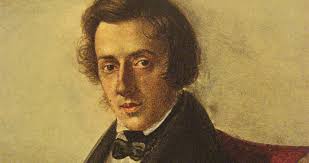


COMPOSER

CHOPIN


Etude in C Minor 
Revolutionary (Fall of Warsaw)1831

ETUDE:  
This is a short composition for a solo instrument intended as an exercise 
or to demonstrate technical virtuosity; a musical exercise.

GENERAL MUSIC
01. MUSICAL ALPHABET GRAPHING SHEETS
02. DISCUSSION OF MUSICAL ALPHABET WORD LISTS
03. PERCUSSION INSTRUMENTS
.......a. REVIEW OF NAMES OF PERCUSSION INSTRUMENTS LEARNED IN CLASS
.......b. ORCHESTRATION OF PERCUSSION INSTRUMENTS
            (HOW DO YOU CHOOSE WHICH INSTRUMENTS TO PLAY AT THE DIFFERENT 
            PASSAGES)
...........1) CONTRAST
...........2) TIMBRE
...........3) PRACTICALITY OF USE (EX: CERTAIN INSTRUMENTS CAN ONLY PLAY 
               CERTAIN PARTS BECAUSE THEY ARE INSTRUMENT IS INCAPABLE OF 
               FAST RESPONSE TIME or THEY VIBRATE TOO LONG, ETC. 
...........4) VARIETY OF INSTRUMENTS AVAILABLE TO CHOOSE FROM
.......c. CLASS ORCHESTRATES PERCUSSION INSTRUMENTS FOR "ALLEY CAT"
.............1) DIFFERENT INSTRUMENTS ARE ASSIGNED TO DIFFERENT COLORS ON 
                 THE CHART
.......d. CLASS PERFORMS ORCHESTRATION (TO BE CONTINUED NEXT WEEK)
.............1) STUDENTS ARE SEPARATED IN GROUPS
.............2) EACH GROUP IS ASSIGNED A PERCUSSION INSTRUMENT TO PLAY
                 ACCORDING TO THE COLORS ON THE CHART
.............3) STUDENTS WILL COUNT ALL THE RHYTHMS (AS PREVIOUSLY LEARNED) 
                 BUT PLAY THEIR INSTRUMENTS ONLY ON THEIR ASSIGNED COLORS

ADV. STRINGS
01. BURGUNDIAN CAROL
.......a. PLAYED THROUGH THE ENTIRE PIECE
.......b. LISTENED TO THE CELLO HARMONY PART TO SEE HOW THE MELODY 
           AND HARMONY WILL FIT TOGETHER REPLAYED THE PIECE AGAIN SO 
           WE COULD BLEND BOTH PARTS TOGETHER
02. NO HOLLY FOR MISS QUINN
........a. INTRODUCTION: TEACHER DEMONSTRATION
........b. NOTE READING REVIEW OF FIRST PHRASE
.............1) DISCUSSION OF FINGERING C# (FINGER SPACINGS and HIGH 3RD FINGER)
                 SHARPS (#) RAISE THE FINGER AHEAD 1/2 STEP
........c. SIGHT READ FIRST PHRASE


BEG. STRINGS
01.  BOW HOLD REVIEWED
02.  CONCEPT DISCUSSION OF PLACEMENT OF VIOLIN BOW IN RELATION TO THE VIOLIN ANGLE AS IT IS HELD AT THE JAW
03.  DISCUSSION OF PROPER PLACEMENT OF THE BOW IN BETWEEN THE BRIDGE AND                                    FINGERBOARD
........a.  USING THE CONCEPT OF SQUARES, TRIANGLES and TRAPEZOIDS AND HOW THEY ARE USED IN SETTING THE ANGLE OF THE BOW ON THE STRING
03. PRACTICING USING THE BOW ON THE SHOULDER (INSTEAD OF THE VIOLIN)
........a.   BOW LEVELS (MOVEMENT OF BOW AND ARM AT THE SAME LEVELS TOGETHER USING SEE-                 SAW LIKE ACTIONS
........b.   BOW SPRING (USED TO START THE ARTICULATION OF THE BOW SOUND) PRODUCED BY THE                RIGHT UPPER ARM APPLYING WEIGHT THROUGH THE RIGHT POINTER INDEX FINGER                            MIDDLE JOINT ONTO THE BOW
........c    DISCUSSION and PRACTICE OF:
..............1)  BOW MOVEMENTS FROM MIDDLE OF THE BOW TO TIP (SQUARE TO TRAPEZOID) MOVING                      THE ELBOW
..............2)  BOW MOVEMENTS FROM FROG TO THE MIDDLE OF THE BOW (TRIANGLE TO SQUARE)                             MOVING SHOULDER and ELBOW
THE ABOVE TO BE CONTNUED NEXT WEEK

Thursday, September 20, 2012

THURSDAY, SEPTEMBER 20, 2012

QUOTE:
“No man is complete without a feeling for music and an understanding of what it can do for him.”
AUTHOR: Zoltan Kodaly
MEANING OF THE QUOTE:
“Complete fulfillment in life is not possible unless you have some
  music appreciation.”


COMPOSER
CHOPIN

Piano Concerto No. 2 Op. 21
F minor III Allegro Vivace 
Performed by Arthur Rubinstein 


GENERAL MUSIC
01.  MUSICAL ALPHABET GRAPHING SHEETS and WORD LISTS TO COMPLETE IF NOT FINISHED
02.  FOR PERIOD 3:  PERCUSSION INSTRUMENT REVIEW SHEET
03.  KEYBOARD RULES and PROCEDURES
04.  PERIOD 1, 2: LOCATING NOTE "D" ON THE KEYBOARD (TO BE STARTED PERIOD 3 NEXT WEEK)
05.  PERIOD 1, 2: USING NOTE "D" and THE MUSICAL ALPHABET TO LOCATE ALL THE OTHER KEYS             ON  THE (KEYBOARD TO BE STARTED PERIOD 3 NEXT WEEK)
06.  PERIOD 1, 2: LOCATING NOTES B A G ON THE KEYBOARD TO PLAY "MARY HAD A LITTLE                        LAMB" and  HOT CROSS BUNS" (TO BE STARTED PERIOD 3 NEXT WEEK)
 KEYBOARD ASSIGNMENT TO BE CONTINUED NEXT WEEK  

ADV. STRINGS
01.  SHALOM CHAVERIM
........a.  FORM OF THE PIECE IS A "ROUND"
........b.  REVIEW RHYTHM 
.............1)  RULE OF THE DOT WHEN ADDED TO THE RIGHT SIDE OF A NOTE:
..................."A DOTE TO THE RIGHT SIDE OF  NOTE IS ALWAYS HALF THE VALUE OF THE NOTE IT SITS                           ON"
.............2)  DOTTED HALF NOTES WORTH 3 BEATS
.........c.  GO OVER FINGERING
.........d.   PLAY WITHOUT ACCOMPANIMENT
.........e.   SIGHT READ WITH ACCOMPANIMENT
02. BURGUNDIAN CAROL
03.  GESU BAMBINO
........a.   CELLO and GUITAR HARMONY PARTS PRACTICED 
........b.   VIOLINS ADDED TO HARMONY

BEG. STRINGS
01.  MARKING BOWS WITH TAPE FOR EACH STUDENT AT THE MIDDLE (SQUARE) and TIP                                (TRAPEZOID)
........a.  BOW STICK PLACED ON VIOLIN WITH FULL HAIR ON THE STRING and STICK AWAY FROM                      THE NOSE
.............1)  ARROWS MARKED ON EACH PLAYERS  MIDDLE BOW TAPE TO SHOW THE DIRECTION THE                     BOW STICK NEEDS TO BE PLACED
02.  BOW ON VIOLIN
........a.  BOW PLACED AT MIDDLE (SQUARE) IN BETWEEN BRIDGE and FINGERBOARD 
             (FULL HAIR; STICK AWAY FROM THE NOSE)
.........b.  BOW LEVELS
..............1)  AT EACH LEVEL (STARTING ON "G" STRING) SILENTLY "SPRING" THE BOW 4X
..............2)  BOW ROCKING ON EACH STRING (SEE-SAW MOVEMENT)
....................a.  KEEP BOW DEPRESSED ONTO THE STRING TO KEEP BOW FROM WIGGLING
..........c.  DOWN and UP BOW FULL MOVEMENTS AT THE UPPER HALF (UH) OF THE BOW 4X TO 8X                         EACH
               STRING
...............1)  MOVE THE BOW FROM MIDDLE TO TIP IN ONE CONTINUOUS MOTION
...............2)  START EACH SOUND (DOWN and UP) WITH A SPRING-ARTICULATION SOUND
...............3)  BOW and ARM MOVE TO EACH BOW LEVEL THEN THE ARM FREEZES AND ELBOW MOVES 
                     THE UP and DOWN (ELBOW MUSCLE IS PRIMARILY USED WHEN MOVING THE UH OF THE
                     BOW)

Thursday, September 23, 2010

THURSDAY; SEPTEMBER 23, 2010

GENERAL MUSIC PERIODS 2, 3:
COMPOSER: 

The melody from this piece was borrowed, words added, and the backround rhythm changed creating a popular song in the 1940's called, "Till the End of Time" 

OBJECTIVE: RECORDER BEGINNING SONGS BY NUMBER
1. QUOTE AUTHOR: Zoltan Kodaly a famous Hungarian composer who also specialized in the creation of a children's music education course of study which emphasized "solfege."

2. SOLFEGE: MI-RE-DO Review of MI-RE-DO hand signals and sounds/practice singing the MI-RE-DO pitches by teaching how to proportion air using the diaphragm muscle (a technique also used for breath control on the recorder).
.....a. Each student sings the pattern and hand signs to... teacher: "Did you finish your quote?" Student reply, "Yes I did." 

2. Composer Report on Chopin
.....a. Discussed some other famous composers who were alive at the same time as Chopin:
..........1)Felix Mendelssohn: Famous composer and conductor from Germany (wrote a famous Wedding March)
..........2)Robert Schumann: Famous pianist, composer and piano teacher. He married the daughter of his piano teacher Clara Wieck Schumann, who was also well known for her piano playing and composing in her own right. Schumann experimented with a device he invented to help strengthen and train the fingers of his students. While trying the device out himself, he harmed one of his fingers to the extent that it never healed properly. Not being to play the piano as well as he used to depressed him so much that he eventually developed a mental illness.
..........3)Franz Liszt: A famous pianist (performer) and composer who, like Chopin, was one of the most popular pianists of his time.
.....b. Discussed some other famous historical people alive during Chopin's lifetime:
..........1)US President #5 James Monroe
..........2)US President #11 James K. Polk 

..........3)Queen Victoria of England (She was the queen of England for a very long time and her style was copied by people all over the world. Her influence on style and culture was so famous that the time period she lived in is often referred to as the "Victorian" era. An example of her influence is the tradition of the Christmas tree. Before she had one in her palace, the Christmas tree was only a tradition in Germany. After Victoria was introduced to this custom by her husband Albert, who was German, the Christmas tree became a tradition all over. It was also Victoria who set the tradition of getting married to a famous bridal march composed by Felix Mendelssohn. She had heard the music in his (Mendelssohn's) "A Midsummer's Night Dream" and decided to have it played at her own wedding ceremony. 
3. SONG "Whacky Nutcracker"( http://www.musick8.com/store/alphadetail.php?product_group=909 )
.....a. Review term "staccato" [shortened articulated sounds (short does not mean loud however)]/and then we practiced paying the "staccato" having a student direct the class on how the staccato was to be played (articulated).
.....b. Review other technical terms in the piece (measures, measures rest, triplets, time signature/meter)

GENERAL MUSIC PERIOD 1:
(Same as periods 2,3 but will work on composer report tomorrow)

BEGINNING VIOLIN PERIOD 5:
OBJECTIVE: Violin Bow: Beginning bow holds/Bowing on the Shoulder: Bow Levels
 

1. Reviwed bow hold
2. Bow: Beginning exercises
.....a. "Spider Crawl"
.....b. "Windshield Wiper"
.....c. Flexible right knuckle joints on the bow stick
3. Bowing on the shoulder:
.....a. Making squares with the bow on the shoulder vs parallelograms
..........1)Where the square is formed (depending on arm length vs bow size, etc.) is the middle of the bow for each particular player.
..........2)Using the idea of the "square" is an important concept because it keeps the violin bow from traveling into the fingerboard area (which is one of the major causes of scratchy, ugly sounds on a violin).
.....b. Bow Levels
..........1)Bow and arm stay together and move as a unit together in order to assure that the the bow will sound the string that is intended and not hit another one by accident
..........2)There are 4 basic arm/bow levels; one for each string("G," "D," "A," "E") and there are 3 more added levels used when performing double-stops (more than one note played at a time on 2 neighboring strings). Those levels find the bow placed on two strings at the same time: G+D, D+A, A+E
..........3)At the "G" string bow level the bow and arm (forming the square) are both parallel to the floor (sort-of like a table top upon which can sit a glass of water) and at the "E" string bow level, the elbow of the bow playing arm is towards the floor.
.....c. Making trapezoids with the bow on the shoulder.
..........1)The tip of the bow (the amount of bow that can comfortably be used; not the actual tip) is where the bow forms a trapezoid in proportion to the arm's length with the bow on the shoulder.
..........2)Since everyone's arm length (and its proportion to the bow size) is different, the tip of the bow is not always in the same place.
..........3)If in order to reach the actual tip of the bow the player must extend the right arm completely straight, then the amount of bow used must be lessened a bit. The idea is that the right arm must never be extented completely straight; there must always be a slight bend in the right elbow when at the tip of the bow.
..........4)Practice bow arm levels at the tip and compare with the bow arm levels at the square; bow arm levels are different when playing at different parts of the bow.
.....d. Making triangles with the bow on the shoulder.
..........1)The lowest part of the bow is called the "frog." When placing the bow on the shoulder at the frog a triangle is formed.
..........2)Compare all three bow levels: bow at the frog, bow in the middle, bow at the tip; movements of the arm are greater when the bow is placed at its tip and very minimal whenthe bow is placed at the frog. 


ADVANCED VIOLIN PERIOD 4: 
OBJECTIVE: Preparation for Harvest Day performance on October 28th/Hoedown music
1. TUNE

2. ORANGE BLOSSOM SPECIAL:
a. Worked on the 4th section (first half of the phrase is almost identical to the second half)
b. Added this section on to what we had previously learned (skipping section 3 but following the passage with our eyes) and played with the recording for continuity.
MONDAY THERE WILL BE A QUIZ ON THAT DIFFICULT 4-NOTE PASSAGE!